My D of E Experience – Part 2: Mountain Rescue Edition

Before you go on a DofE expedition, one of the key skills you have to learn is map-reading.

Learning how to map read is important because you are not allowed access to your smart phone during the expedition and if you get lost you can’t just Google Maps your way out of the situation.

In my opinion, giving a teenager a map and expecting them to know which direction to go in is a dubious concept. I didn’t even know who I was back then, let alone where I was going.

Despite this, I somehow managed to make it through my Bronze expedition without getting lost.

My Silver practice expedition, however, was a different story.

On the trip, I was in a group with three other girls; Emma, Anita and Nashwa.

The first two days of the expedition had gone quite well. We had not been chased by cows or any other types of agricultural livestock and I had only fallen head first into a bog once.

However, on the penultimate day, we were walking down a steep hill into a valley and, when we reached the bottom, it dawned upon us that we had absolutely no clue where we were.

We had been concentrating so hard on not decking it and sliding down the hill on our backsides, that we hadn’t really been concentrating on where we were going.

Now, the smartest thing to do at this point would have been to retrace our steps, walk back up the hill and try to get our bearings from a higher vantage point. But we’d already walked up several hills that day and, quite frankly, couldn’t be arsed walking back up another one.

We knew that when we had started descending, we had been going in the right direction so we assumed that if we carried on walking in that direction, we would eventually arrive somewhere vaguely near the campsite.

After around two hours of walking, the sky was getting a bit murky and we were becoming increasingly concerned. We were in a pretty remote area and hadn’t seen a road or village for several hours and there was nobody we could see to ask for help or directions.  

At the beginning of the expedition, we had been given an old brick phone to use in emergencies so we rang one of the teachers and told her that we were lost. She then replied with what remains to this day one of the most useless responses I have ever received:

Considering that the very nature of being lost means you tend to have no idea where you are, this question was pretty hard to answer.

We tried to describe our surroundings on the off-chance that this would help her to pinpoint our location.

However, it turned out that finding a location in the Peak District on the basis of that it had some trees and some grass was the equivalent of finding a specific place in the city with some cars, a lot of concrete and a few mad-looking pigeons.

Eventually, we gave our teacher the coordinates of our last checkpoint and she told us to stay where we were and set up camp.

She reassured us that we couldn’t have gone that far and told us that some of the expedition leaders had set out to look for us so we would probably be found by the end of the day.

Feeling somewhat reassured, we set up one of our tents and tried our best to relax and get some sleep.

However, when we woke up the next morning, we still hadn’t been found.

To make things worse, a thick layer of cloud had come down into the valley, restricting visibility and, for some reason, we no longer had any signal on our phone.

Logically, we should have known that teachers had a safeguarding responsibility not to leave any students stranded in some random remote area of the Lake District and remained calm.

However, as we were four teenagers, we immediately over-dramaticised the whole situation and freaked out.
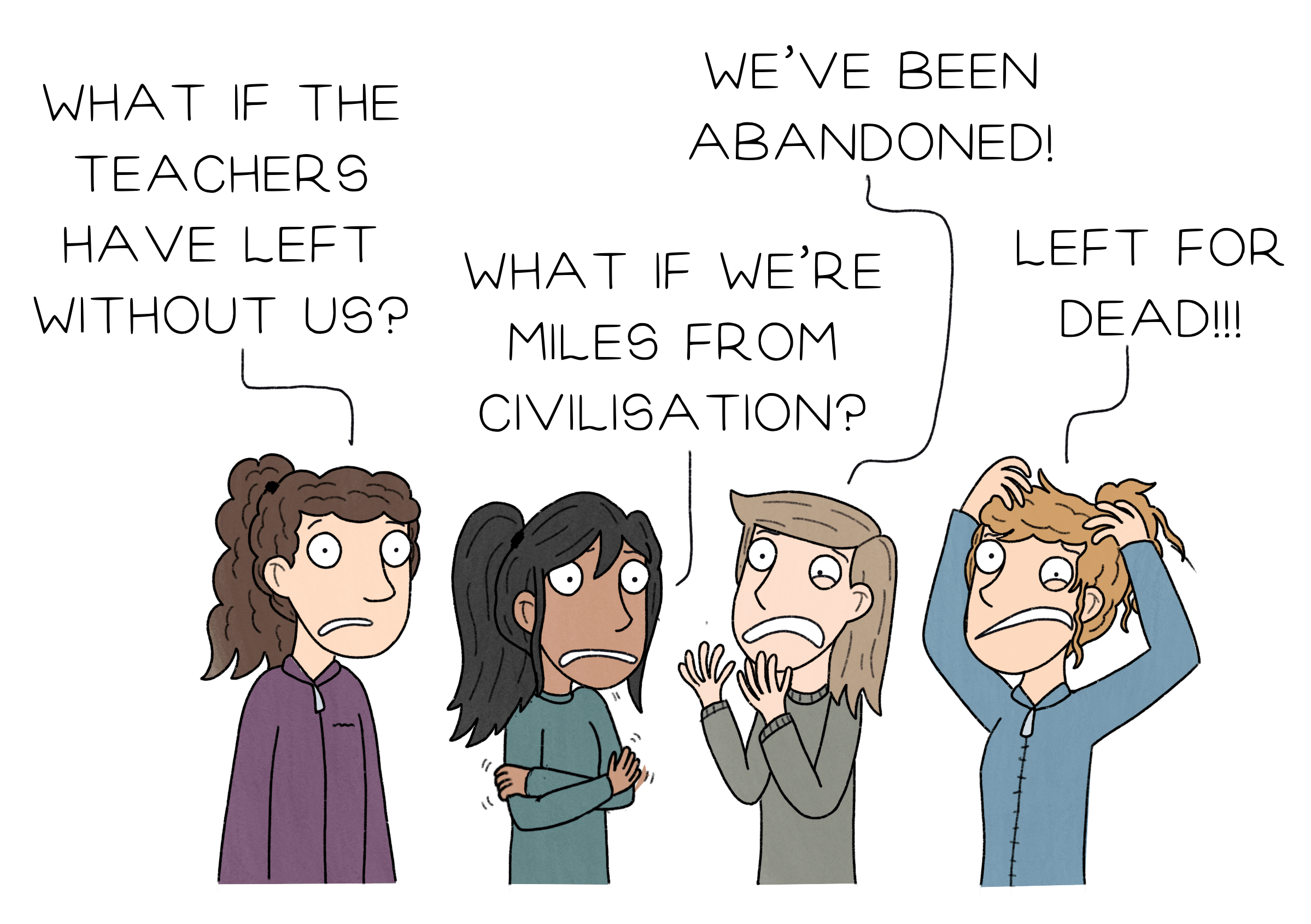
After several minutes of catastrophising, we exhausted ourselves and stood looking at the cloud that created a slightly ethereal atmosphere around us.

‘Maybe we’ve died and gone to heaven,’ Emma said quietly.

‘No if this was heaven then there wouldn’t be so much sheep poo everywhere,’ I replied, more to reassure myself than anything else.

After a while, the cloud transformed into a fine drizzle and we decided to pack up our tent and gear and start walking in order to warm ourselves up.  

We set our compasses in the general direction we were supposed to be heading in but, other than that, we had absolutely no idea where we were going.

To make things worse, around twenty minutes into the walk we came across a sheep skull lying on a rock in a small stream. Of course, our brains immediately rocketed into over-analytic panic.  

After we had been walking for what seemed like an age, we finally came across a sheep shed which was extremely exciting as it was the first thing we had seen in over 24 hours that remotely resembled civilisation.

We rushed inside, relieved to have found some shelter from the rain that was slowly soaking through our waterproofs.

Once inside, we unpacked our rucksacks and got into our sleeping bags.

As it was the last day of our expedition, we were running low on supplies. In terms of food, we had half a packet of Tangfastics, a Cuppa Soup and two special K bars between us.

Assuming we were miles from civilisation, we immediately put a rationing system into place, reasoning that if we all limited ourselves to one Tangfastic a day, we would maybe be able to last for a week before we starved to death.

Although it was nice to be out of the rain, the fact that we were no longer walking gave our minds space to ruminate and it wasn’t long before our thoughts started to spiral.

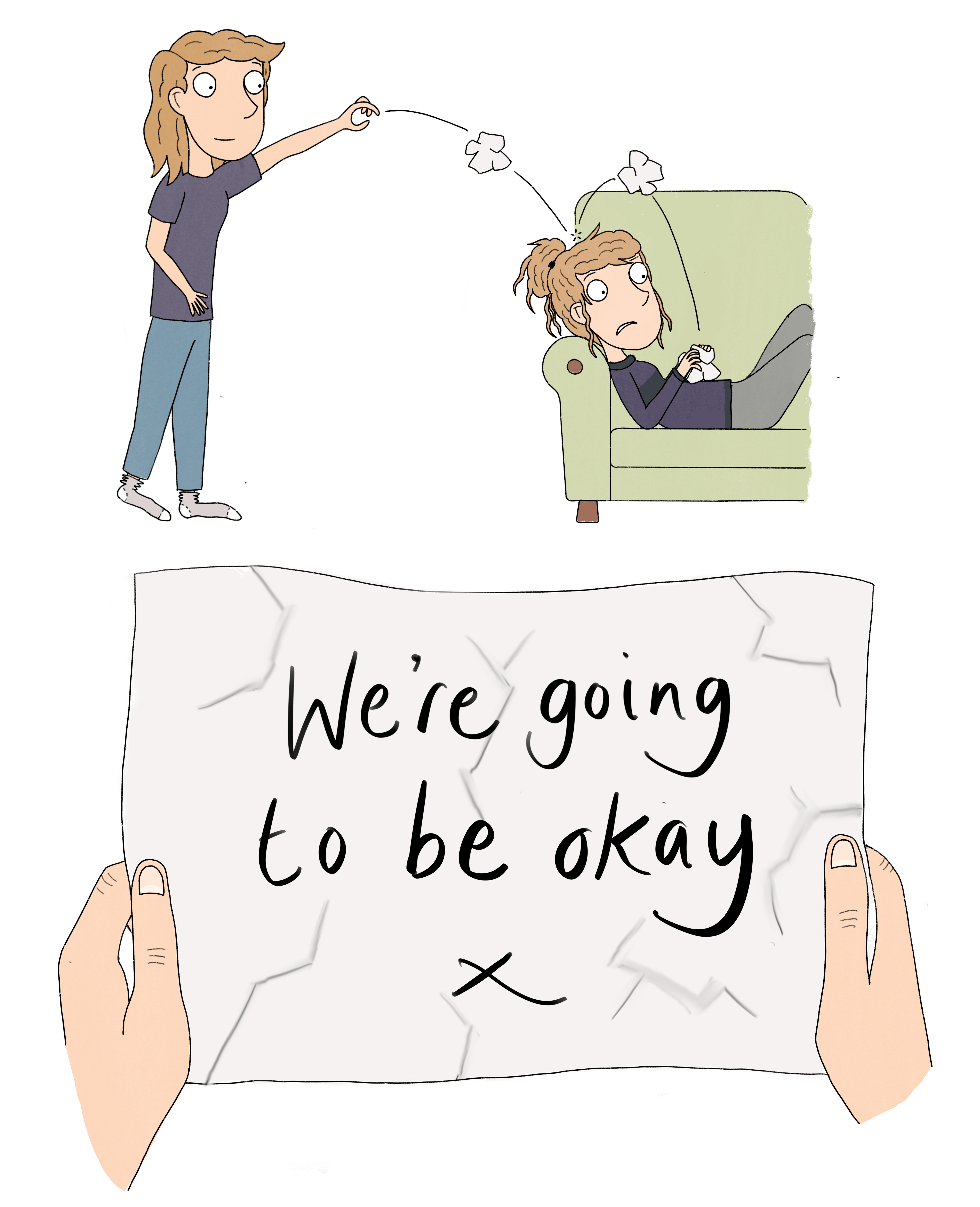
We continued on this train for several minutes, digging ourselves deeper into a pit of hyperbolic despair until:

We all fell silent, somewhat consoled by this thought.

We had been sitting in the shed for around 30 minutes when Nashwa noticed that a bar of signal had returned to the phone and we briefly considered calling our mums with our last words.

Then, worried that this oasis of signal would be temporary state of affairs, we thought it was best to try and call for help. We decided to bypass ringing the teachers and go straight for the big guns and call Mountain Rescue.

When Mountain Rescue picked up the phone, it turned out that they were already looking for us. They’d been contacted by our teachers and had already been out searching for several hours.  

Once we hung up the phone, we were beside ourselves with relief and excitement. Everything was fine! The teachers hadn’t left us for dead and Mountain Rescue were out looking for us! We were saved!

Then a disturbing thought started to dawn on us. If Mountain Rescue had been out looking for us for hours, why hadn’t they found us yet? Were we so lost that we couldn’t be found even by Mountain Rescue? Had we accidentally walked through a wardrobe and had ended in some Narnia-like alternate universe?

Over the course of the next hour, Nashwa called Mountain Rescue several times for reassurance. Eventually, it got to the point where the operator didn’t even bother asking who was on the end of the line and just simply said the words ‘Is this Nashwa again?’ whenever he picked up the phone.

Around two hours after our initial phone call, we heard the sound of an engine. Assuming that Mountain Rescue had finally arrived to rescue us, we ran estatically out of the shed, unaware that the person who was approaching the shed was in fact just a farmer on a quadbike.

Imagine if you will, that you are a farmer going about his business in the peace and quiet of the English countryside when suddenly four semi-traumatised girls gone feral burst out of your shed manically blowing their whistles and yelling ‘Mountain Rescue’ at you.
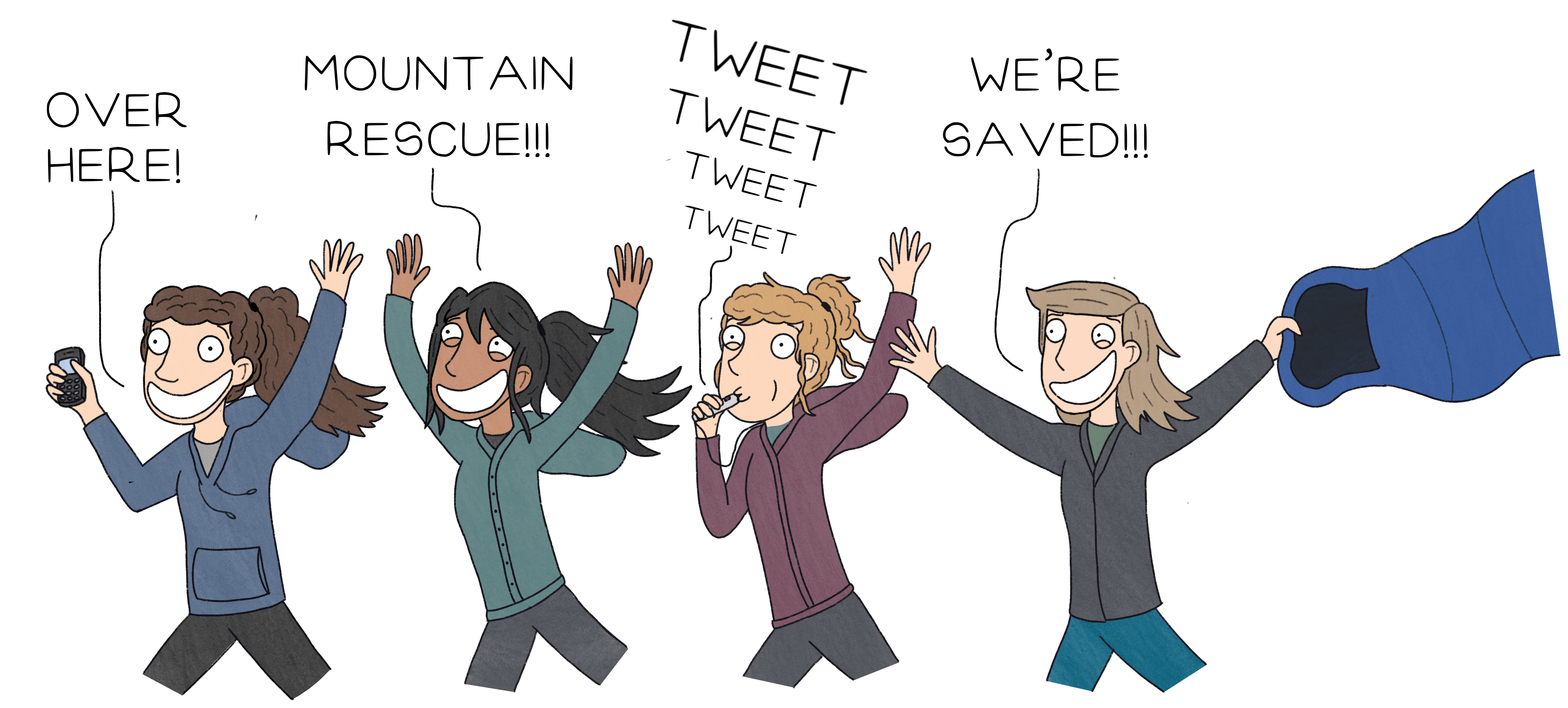
Needless to say, the poor farmer dude crapped himself.

‘It’s me, Nashwa!’ Nashwa yelled in his face, obviously still convinced that he was part of the search team. We all waited for him to react but he just started at us, completely bewildered.

‘It’s Nashwa,’ Emma shouted, pointing at Nashwa only to be met with more confused silence.

‘Nashwa,’ I added unhelpfully.

A pause.

‘Wait are you not Mountain Rescue?’ Anita asked.

‘No. I’m just a farmer. I live in the house just down there.’

We stared at him disbelievingly. ‘There’s a house here?’

‘Yes, it’s only a two minute walk away. You’ll be able to see it when the cloud lifts.’

We stared at him and then we stared at each other, trying to process the fact that we had been sitting in a cold windswept shed for hours, convinced that we were miles from civilisation and beyond hope of rescue when, in fact, civilisation had only been 500 metres away all along.

I reckon that the Duke of Edinburgh would have been proud of us…

To read Part 1 of my DofE experience, click here. If you enjoyed this post, feel free to visit the ‘All Blog Posts’ tab at the top of the page for more. For more blog posts and drawings, you can also follow me on Instagram and Facebook .
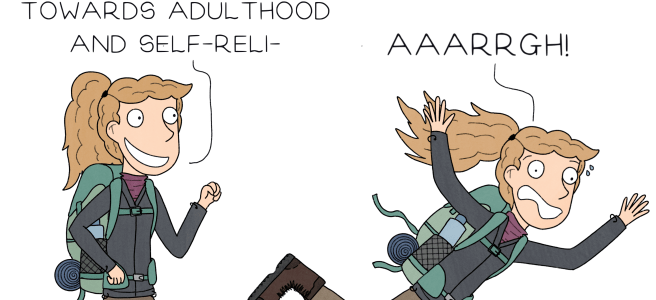
My D of E Experience

A couple of days after Prince Philip died, I received an email from the Duke of Edinburgh’s Award asking me to contribute any memories I had of completing the award to an online forum.

Thinking back, the expeditions immediately stood out to me as the most memorable part of my D of E experience.

For those who don’t know, the D of E is an award created by Prince Philip and is designed to help young people develop skills that will benefit them in their adult life.

As part of completing each level of the award (Bronze, Silver and Gold), participants are required to go on an expedition.

This expedition takes the form of a multi-day hike and is designed to help participants develop resilience and self-reliance by taking them out of their comfort zone.

During the day, you walk through the countryside in a group of 4-6 people, carrying your cooking and sleeping equipment with you, and, at night, you set up your tents and camp.

Now, this may sound like quite a fun experience; an opportunity to make new friends and immerse yourself in nature. And it could well be if it weren’t for the fact that the majority of D of E expeditions are conducted in some of the wettest, most windswept locations in the UK, such as the Lake District and the Scottish Highlands.

Camping in the Lake District is less about roasting marshmallows under the stars and more about trying desperately to get your tiny stove to light under a massive pissing rain cloud.

As a result of the weather, you tend to spend the majority of your time on a D of E expedition in a state of perpetual dampness.

It is virtually impossible to keep all your stuff dry.

Even if you don’t have the misfortune of full-on falling into a river, the rain find will most likely find a way of seeping into your backpack, even if you’ve triple lined it with bin bags.  

Setting up a tent in the rain without getting the inner lining wet is also extremely tricky.

If it happens to be windy as well, the canvas will flap about all over the place, sometimes attempting to fly away from you, sometimes blowing directly into you and smothering you whilst you walk around like some soggy tent zombie trying to free yourself.

Of course, trying to build a tent in freezing cold sideways rain is far from ideal. However, pointing this out to your expedition supervisor is basically an exercise in futility.

If you do happen to complain about the situation to a teacher, they will most likely look down at you from the warmth of their heated minibus and say something along the lines of:

After this, they will probably leave you to your own devices, saying that they’re going to get an ‘early night’ which, for those uninitiated with the D of E, is teacher code for ‘going down the pub’.

Because of the high levels of rain, the ground that you walk on during a D of E expedition tends to be quite soggy and uneven.

Occasionally, you get the luxury of walking along a well-defined path but more often you end up having to navigate open fields, rocky hillsides and full-on bogs.

In addition, to this you are also carrying a heavy backpack with all your stuff in which really messes with your centre of gravity.

I discovered this on my very first Bronze practice expedition when my group were walking across a boggy field.

Around a quarter of the way across the field, I put my foot down, assuming that the ground below it was solid, only to feel my leg suddenly sink into a concealed pool of muddy water.

I pitched forward and landed face first in the bog.

Under normal circumstances, I would have been able to get back up again quite easily.

However, because I had all my belongings for the weekend strapped to my back, I found myself pinned down with my cheek pressed into the bog, unable to move.

In a dubious display of D of E team-working spirit, the rest of my group laughed hysterically at me for at least a minute before helping me up.

The fact that the majority of D of E expeditions are based in the British countryside also means that participants tend to come face to face with some of the UK’s most dangerous animals, including sheep, horses, midges and, the most fearsome of all, cows.  

Before starting my D of E, I was not particularly afraid of cows. However, before starting our Bronze expedition, we were all given a lecture on the dangers of cows by a gruff CCF man who was supervising our trip.

At this point, some of the boys burst into laughter. Meanwhile, I was sat a few metres away, imagining a cow moving in for the kill whilst the Jaws music played ominously in the background.

Two days later, I encountered some cows in the flesh. They were standing in a field that my group needed to walk across to stay on route. We decided to walk around the edge of the field in order to keep distance between us and the cows.

Initially, this tactic worked quite well. The cows barely noticed our presence until one of the straps on my backpack became snagged on a tree branch.

I reached around and tugged at the strap in order to release it. When it came loose, the tree branch snapped backwards loudly, drawing the attention of the cow closest to me in my direction.

I turned around the cow’s gaze met mine.

I’m not sure if my life flashed before my eyes but, if it did, I was too scared to notice.

There I was, participating in an award that was supposed to help me develop skills that would set me up for the rest of my life and now it seemed the rest of my life was going to be non-existent because I was going to get sat on by a cow.

The last thing I was going to see before I died was a cow’s arse.

Needless to say, I panicked. I tried to throw myself over the stone wall that lined the field but the weight of the bag on my back meant that I did not get as much height as I had originally intended.

As a result, I ended up doing some weird chest bump with the wall before falling backwards onto my backpack. After spending a few moments waving my limbs about like some sort of upended tortoise, I managed to roll over and get back on my feet.  

The cow watched all of this nonchalantly and then, obviously deciding that I was too much of an idiot to be a threat, it went back to chewing grass whilst I hurried to catch up with the rest of the group.

That night I lay wide-eyed in my tent, hyper-alert to every noise that sounded outside the tent, convinced Cowzilla was out on the prowl.

Contrary to expectations, coming face to face with a cow was not the scariest experience I endured on my D of E award.

Instead, this award goes to an incident involving a bit of dodgy map reading and an encounter with Mountain Rescue. But that’s a story for another time… (and by ‘another time’, I mean whenever I get round to writing a post about it).

I’m not sure exactly what I was supposed to take away from my Duke of Edinburgh expeditions. I think Prince Philip intended for young people to develop as people by taking part in them and, if developing a lifelong phobia of cows counts as character growth, I guess it’s mission accomplished.

If you enjoyed this post, feel free to check out some of my other posts. For more blog posts and drawings, you can also follow me on Instagram and Facebook .

10 Mythical Creatures Attending a Zoom Meeting.

Zoom meetings, both personal and professional, have become a prominent part of most people’s lives over the last year.

One of my favourite zoom meetings is a weekly writing group that I attend with some of my improv friends in Liverpool.

Improvisers are great people to write with as they are amazing at taking a base idea and expanding it into a myriad of different possibilities. This creative ‘hive mind’ is one of the things I love the most about improv as it tends to result in the creation of characters and scenarios that I never would have conceived of on my own.

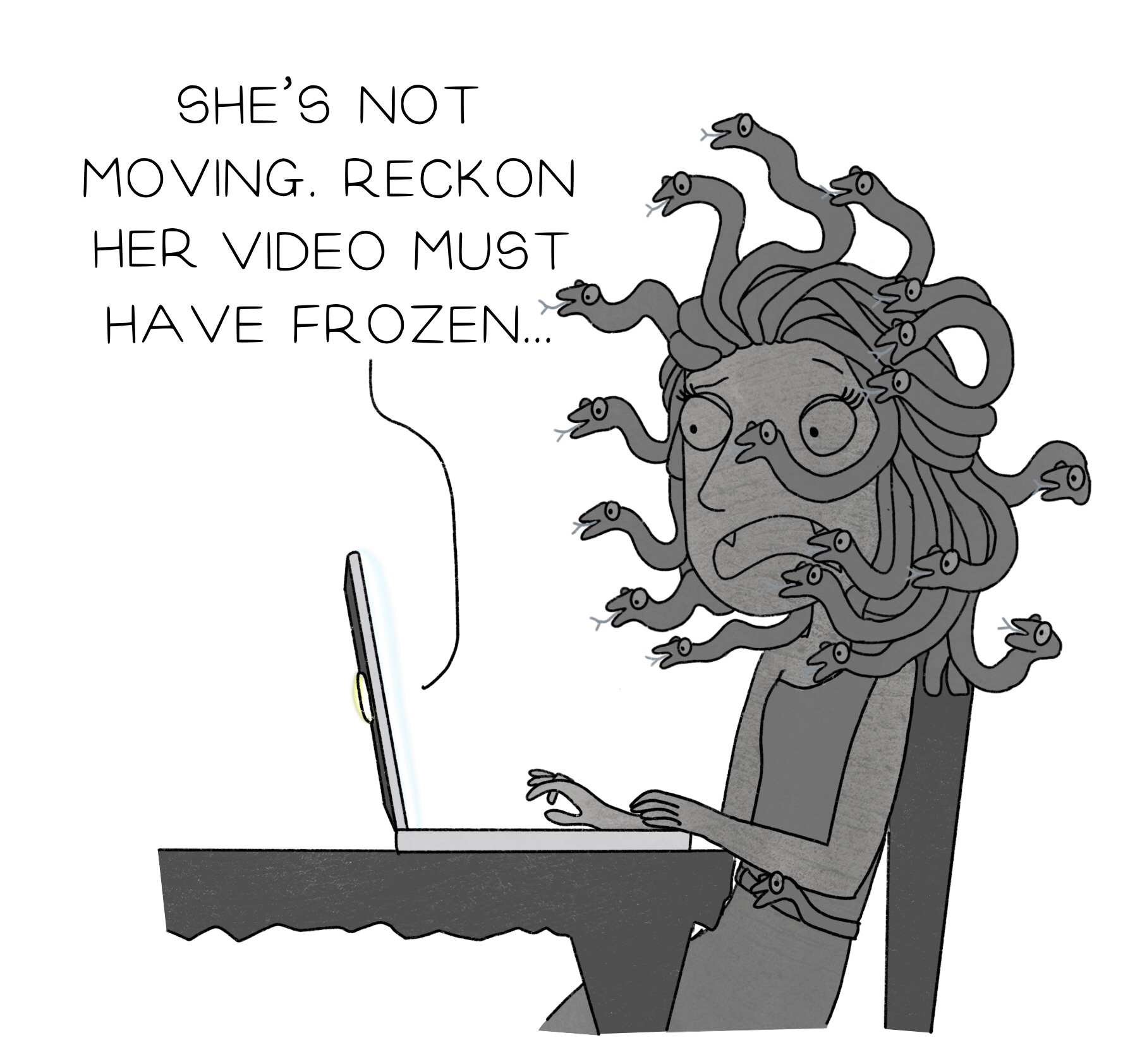
A great example of this happened a couple of weeks ago when I came to the meeting with an idea for a cartoon that I wanted to run past the group. I wanted to take the character of Medusa out of ancient mythology and into modern day lockdown life by having her turn to stone after checking out her own face on zoom.

My friends assured me that the joke worked and we then went on to have a full on idea splurge about how various monsters and mythological would conduct themselves on zoom. 

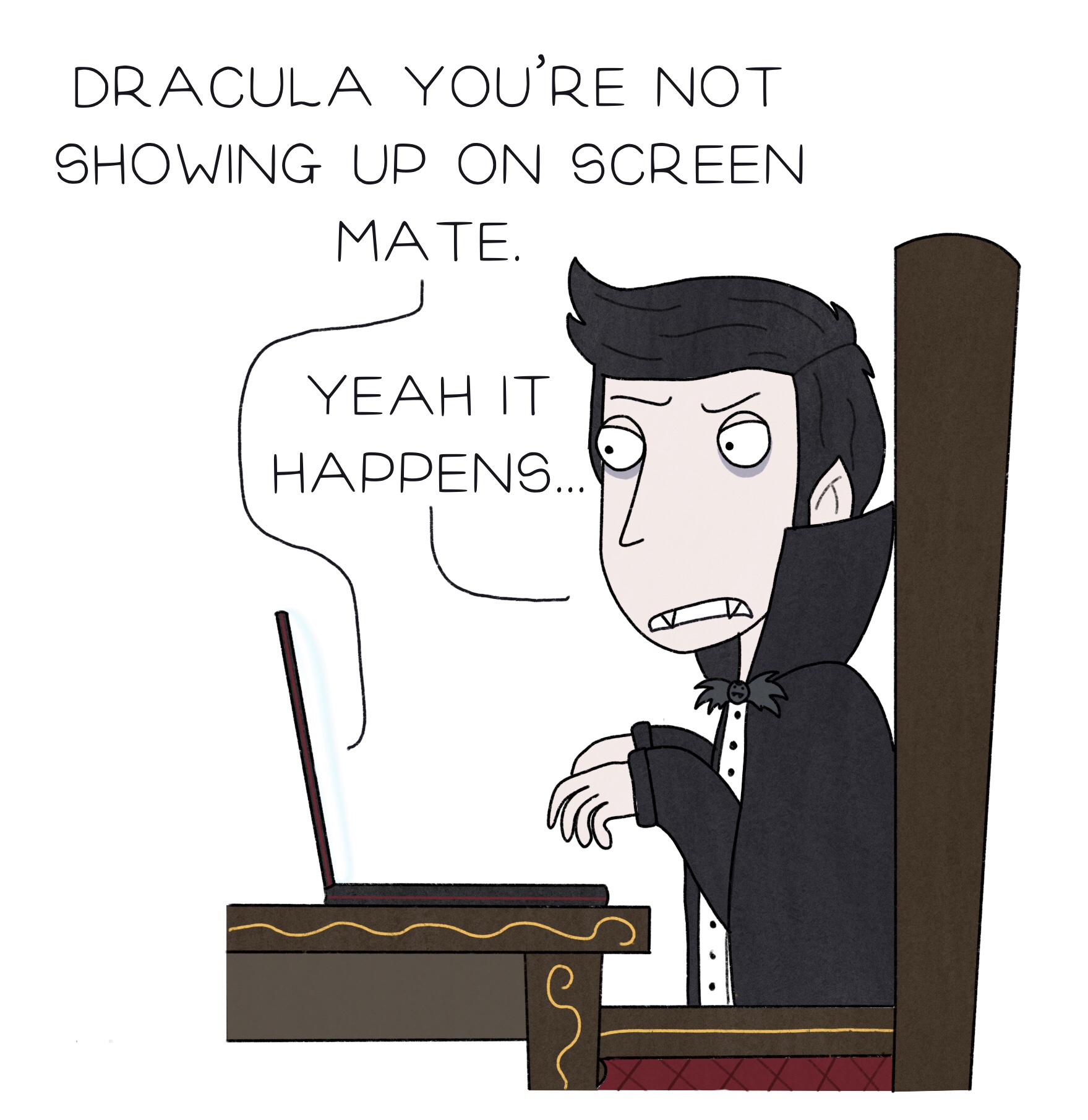
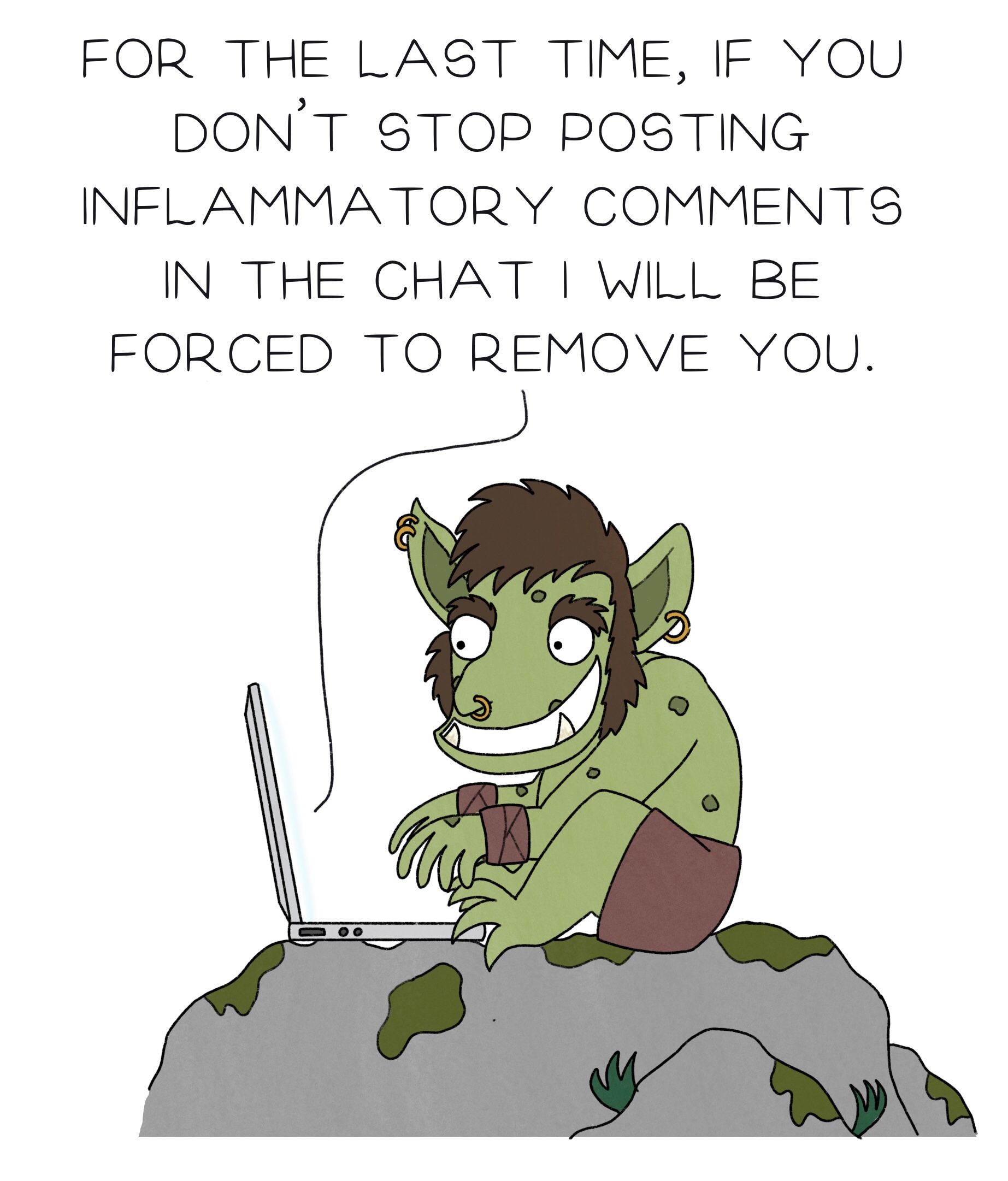
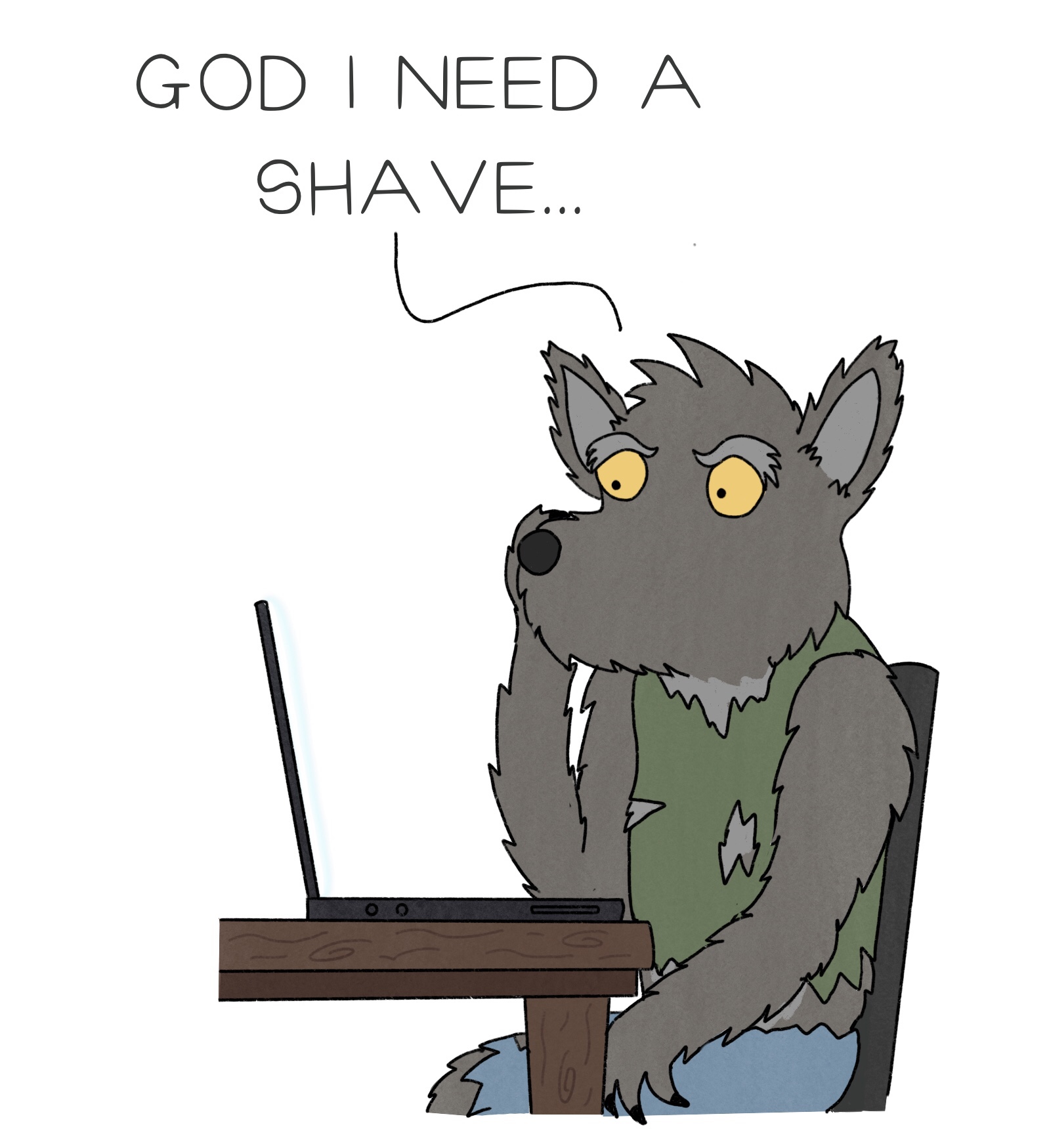
I’ve included some of the results from this session below. Turns out humans aren’t the only ones struggling with communicating through online video conferencing software…

Unlike Medusa, Dracula is completely unable to check out his own face.

“Alexa, who is the fairest of them all?”

Troll doing what he does best.

Werewolf hasn’t shaved in months.

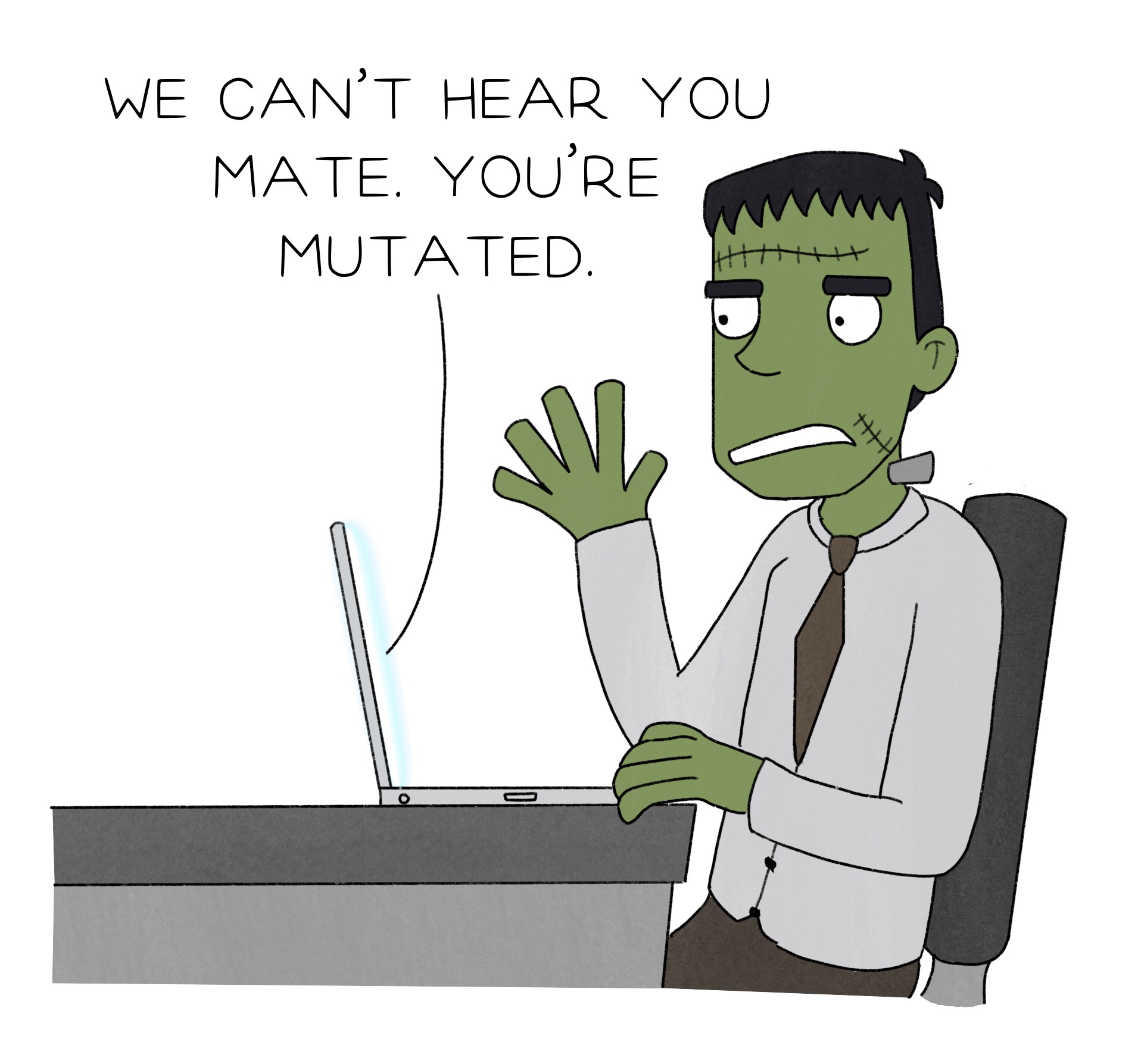
Frankenstein’s monster just wants people to hear him out.

Hades’ dog is causing mayhem in the background.

Dead man zooming.

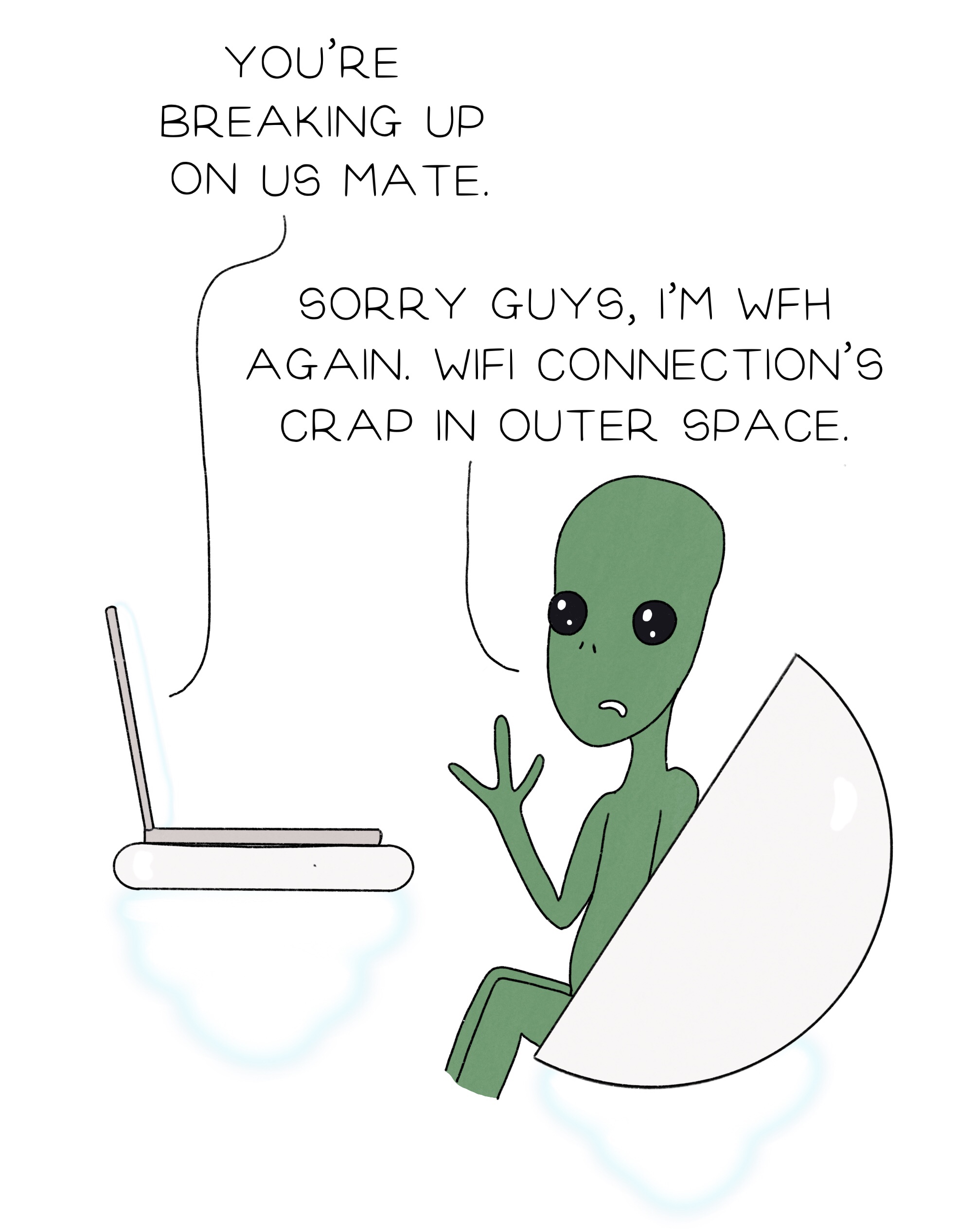
Signal starts getting a bit dodgy once you’re past the upper atmosphere.

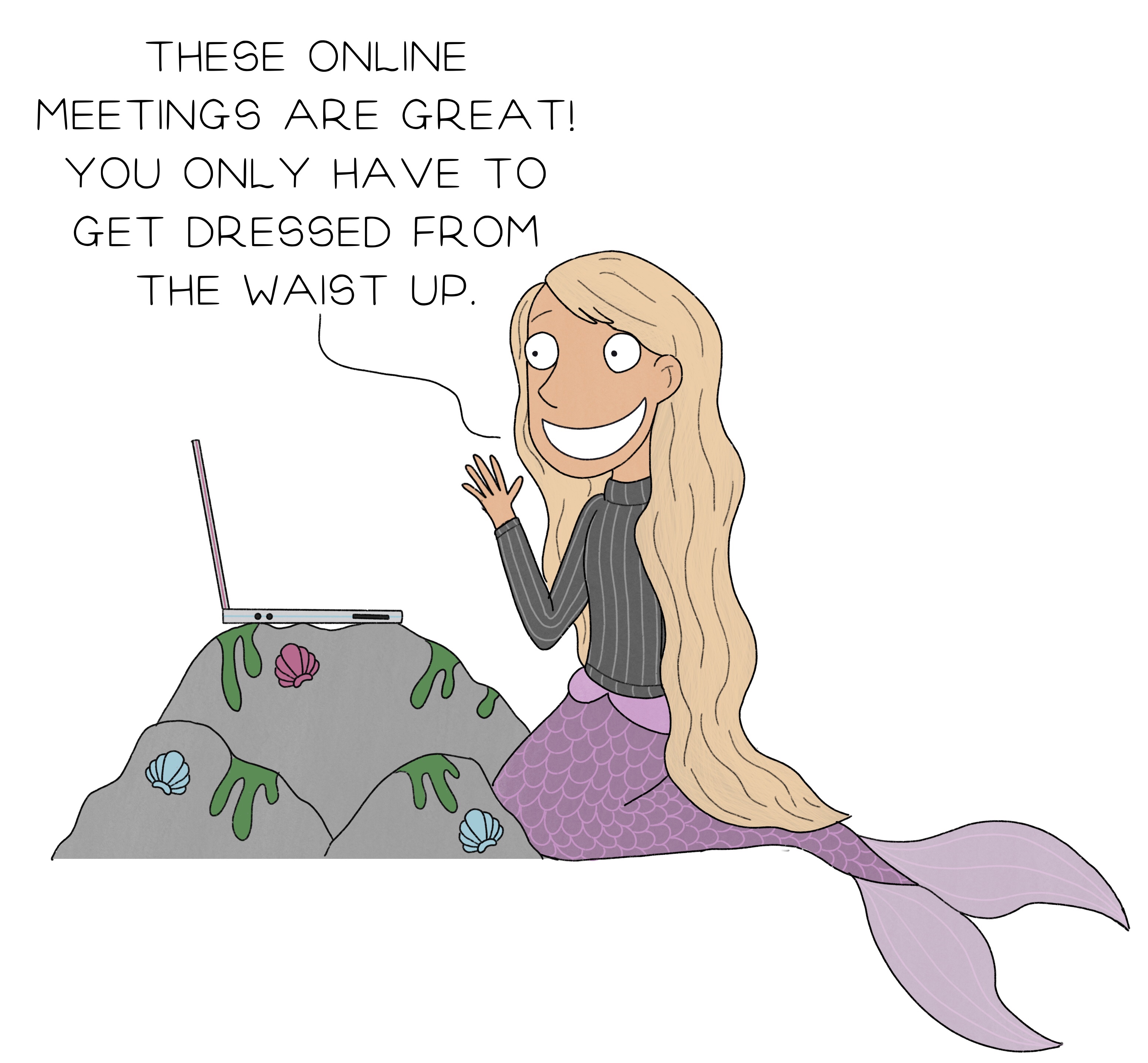
Mermaids have finally been accepted as part of our world.

If you enjoyed this post, feel free to check out some of my other posts. For more blog posts and drawings, you can also follow me on Instagram and Facebook .

My Journey To Find My Inner Self Didn’t Turn Out As I Was Expecting…

In 2016, I spent six months working on an outdoor education camp in Canada.

In the Spring season, the site was often rented out by various groups of people who wanted to use the camp’s natural beauty as the backdrop for their events.

As a result, in May, I found myself working on a weekend Yoga Retreat full of people who had found their chackras and could bend their bodies into a variety of complex positions.

At one point, I remember talking to a man who informed me that setting time aside time to connect with his inner self had enabled him to gain control of his mind and banish negativity from his life – or, as he put it, to ‘tell all that sadness and self-doubt crap to piss off’.

The man in question had dreadlocks and was wearing a ‘Live, Breath, Yoga’ singlet so I decided that he was probably a reliable source of wisdom.

I’ve never really been the kind of person who particularly likes spending time with myself but, like most people, I’ve had significantly more free time in 2020 and I thought that it might be useful to spend some of that time attempting to improve my connection with my inner spiritual world.

So I started meditating in April, full-on expecting to have some sort of transcendent experience where I would suddenly feel at one with myself and the universe.

However, my first few meditation sessions were quite underwhelming – as far as I was aware, nothing happened.

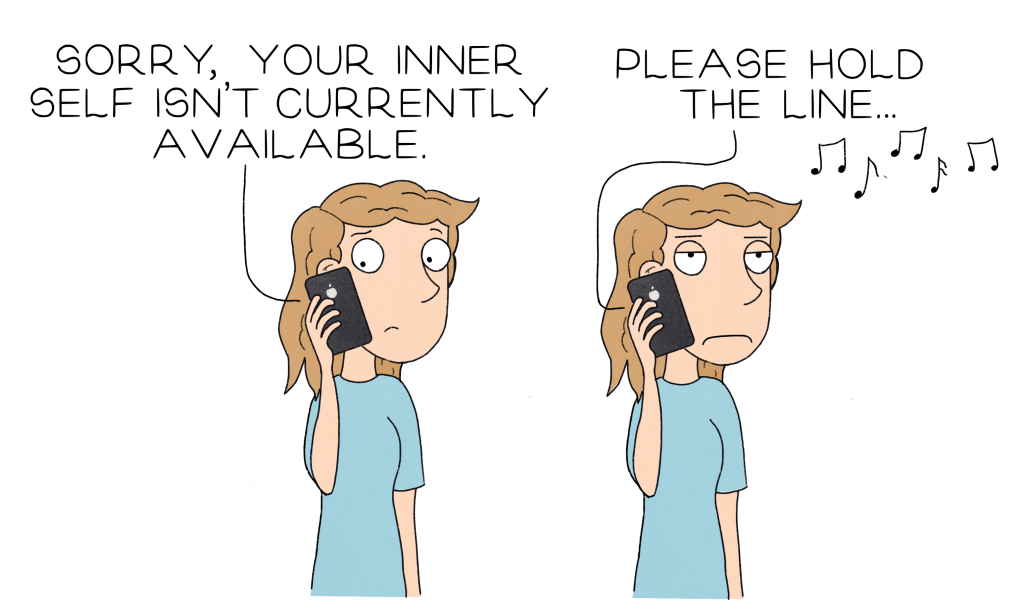
I felt slightly disheartened – I had actively attempted to get in touch with my inner self and it seemed I had been put on hold.

This feeling wasn’t helped by the fact that the meditation music I was listening to sounded a lot like the sort of music that often plays when you’re put on hold in what I can only imagine is a vain attempt to make you less likely to get stressed and swear down the phone.

Despite this, I decided to push onwards with meditation, reasoning to myself that nothing worthwhile is ever easy and that the transcendent joy of being at one with my inner self would be worth it in the end.

I guess I assumed that my inner self would be this wise oracle who, once found, would help me transcend above the concerns and stresses of everyday life into a state of zen-like peace.

A few weeks into lockdown, I started to become aware of a part of myself that I hadn’t noticed before.

I was initially excited and intrigued, thinking that I had finally got in contact with my inner self.

However, if I had, she was in no way the peaceful oracle-like being I was expecting her to be.

In fact, if anything my inner self more closely resembled a moody teenager who wholeheartedly resented living under my roof and, needless to say, wasn’t as sold on the concept of working towards meditative enlightenment as I was.

Although my spiritual awakening wasn’t going as smoothly as I had hoped, I kept trying to get in touch with my inner self, thinking that eventually she would open up to me.

However, the more I tried to connect with her, the more I irritated she became.

I had dragged her out of my subconscious against her will and she was NOT happy with it.

As lockdown dragged on and I spent more and more time with my inner self, our relationship started to feel quite tense and I noticed that I was reacting to setbacks in an emotionally dramatic way.

Anything, from receiving a job rejection to dropping a piece of toast butter side down, would make me irrationally upset.

I felt like I starting to lose control over my inner self.

It is strange and unsettling to feel like you are being bossed around by a grumpy teenage version of yourself but I tried my best to be mindful about the whole situation.

I decided that I would sit quietly with my inner self and try and have a calm, logical conversation about how she was feeling.

It soon became apparent that maintaining any form of calm logical dialogue with my inner self was going to be a near impossibility.

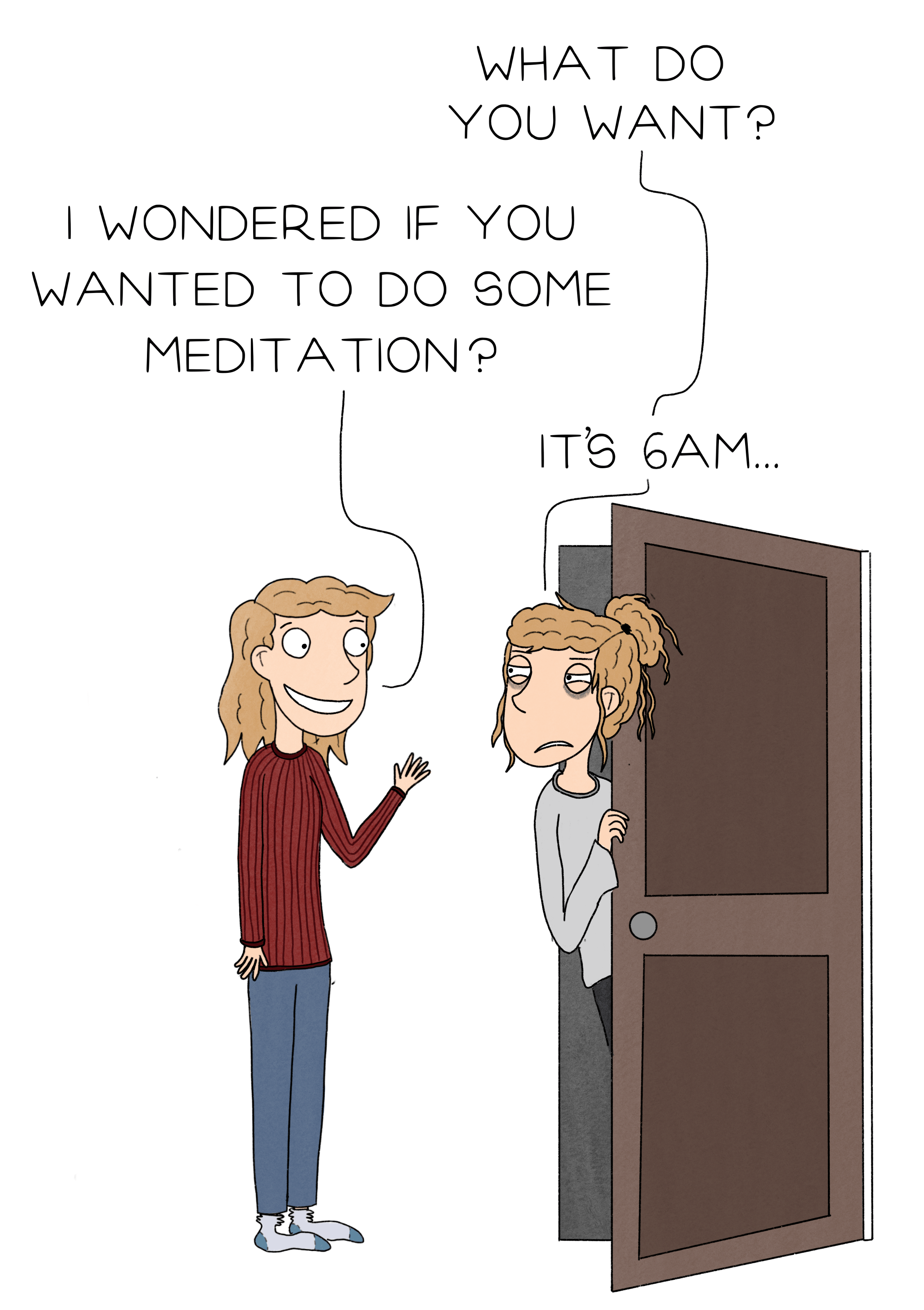
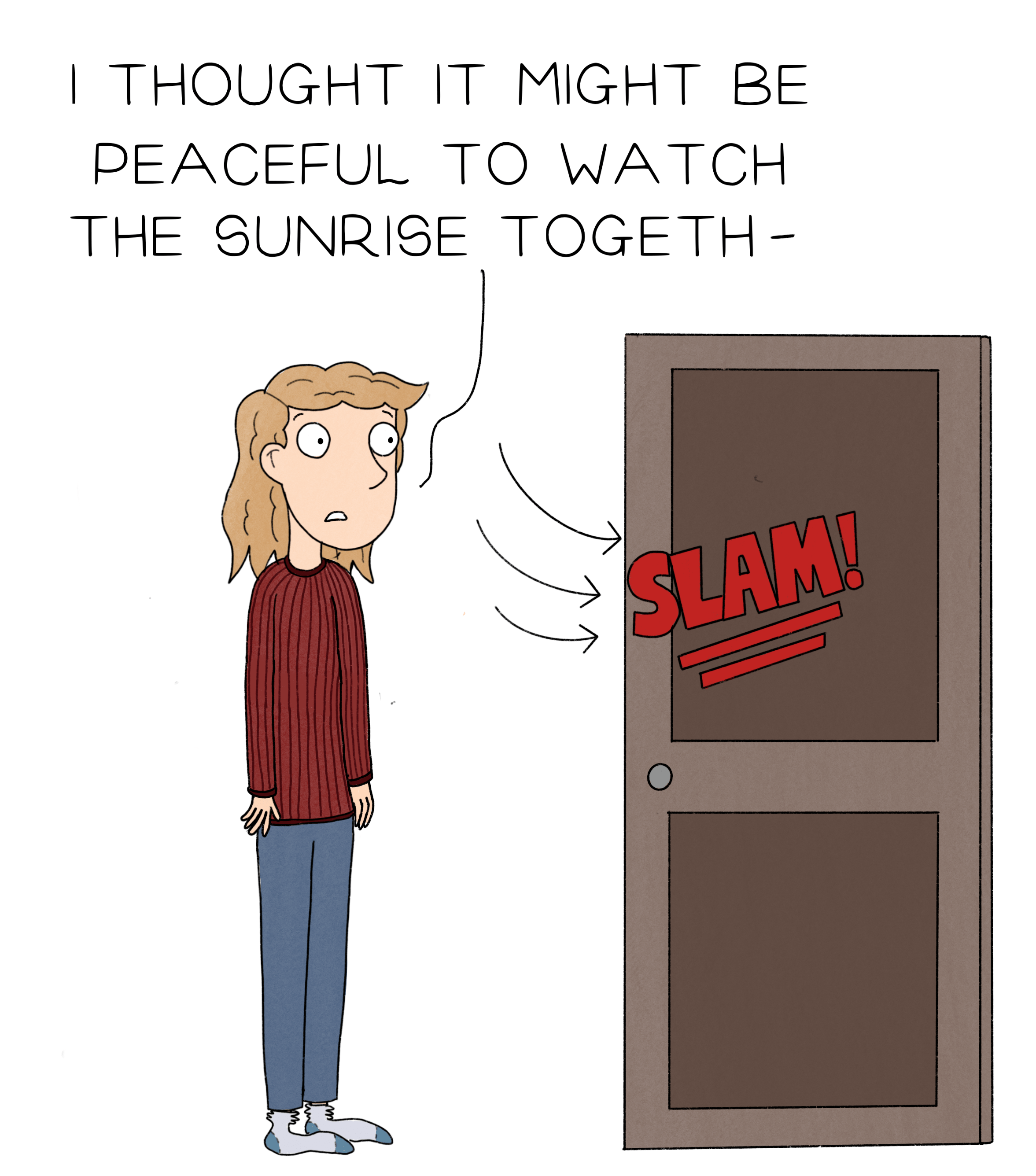
Instead, I thought that I would try strengthening my connection with her by engaging in a variety of relaxing hobbies.

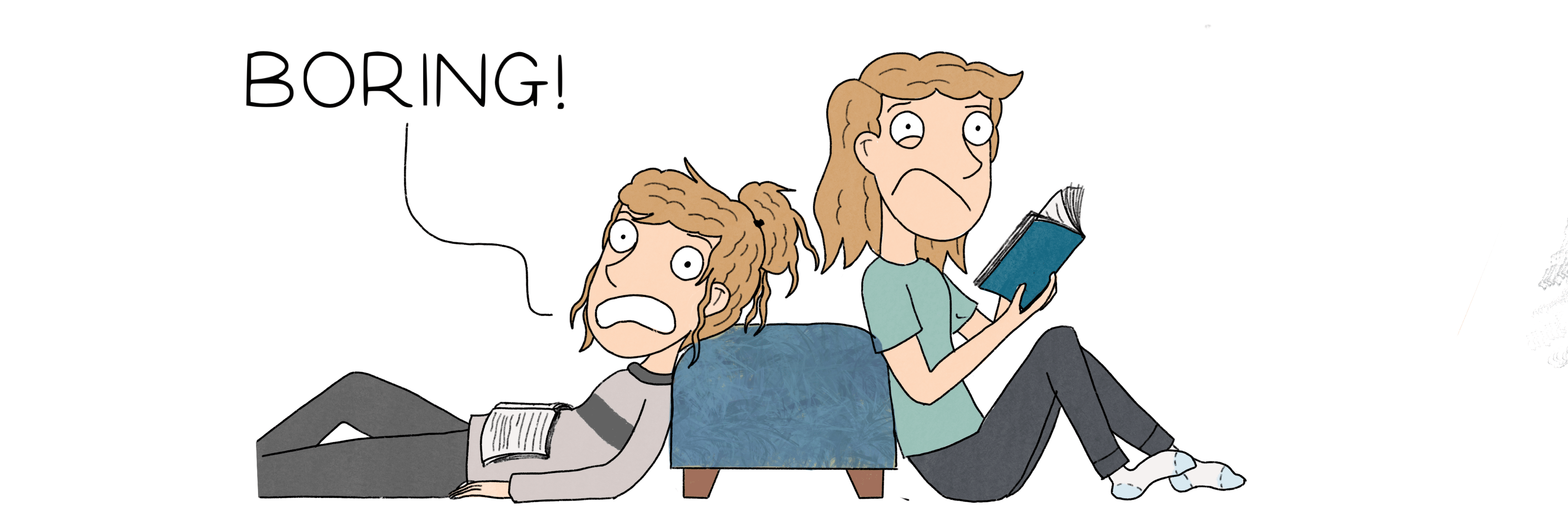
Unfortunately, she didn’t seem as committed to the activities as I was.

Dragging my inner self through a series of mindfulness activities made me feel inauthentic and, as a result, my ability to reach a state of meditative calmness was compromised.

Eventually, I decided to leave my inner self to her own devices and instead tried to focus on everyday practicalities.

I thought that if I tried to get on with my life in the way that I had before, she would eventually calm down and my mental state would return to normal

However, as soon as I tried to concentrate on anything, she seemed to experience an inexplicable urge to hang out with me, distracting me from whatever I was doing with a seemingly endless stream of irrelevant and anxiety provoking information.

All things considered, spending more time with my inner self this year hasn’t been the easiest thing in the world.

Just as spend you can only spend so much time in another person’s company before you start to get on each others nerves, spending too much time with yourself can cause things to become a bit tense.

Being a human is complex, confusing and not always comfortable, especially this year and, for me, things became a bit easier when I stopped trying so hard to force my inner self to behave and communicate with me in the zen-like way I expected her to.

Maybe being in touch with your inner self isn’t about achieving a state of eternal chackric calm; maybe it is more about accepting your inner self exactly as they turn up, no matter how annoying they may be.

If you enjoyed this post, feel free to check out some of my other posts. For more blog posts and drawings, you can also follow me on Instagram, Facebook and Twitter.

I Should Not Be Allowed To Play Board Games…

I don’t really consider myself to be a competitive person.

In general, I would rather spend my energy cooperating with others, as opposed to trying to beat them.

However, there is one area of life which poses an exception to this rule – playing board games.

Nothing brings out the worst, most primal aspects of my personality quite like participating in a game of Monopoly, Cluedo or Kerplunk.

Logically, I am aware that getting overly competitive when playing board games is ridiculous.

I know, for example, that ‘The Game of Life’ is not as important as my actual life. However, when I am actually playing ‘The Game of Life’, the outcome of the game rapidly becomes the single most important thing in existence and I genuinely care more about the success of that teeny tiny little plastic human in their teeny tiny plastic car than I do about my actual human self.

This being said, most board games are specifically designed to encourage competitiveness. For example, the title of the game ‘Frustration’ is indicative of the fact that it is meant to induce a feeling of mild frustration in those who play it.

However, the phrase ‘mild frustration’ cannot do justice to the raw untamed rage that I experience when I am losing a board game.

It is as if all the competitiveness that I should be using in other areas of my life is stored up and released all in one go. All semblance of respectful and dignified adulthood crumbles and is replaced by an all-consuming desire to win, no matter the cost. 

img_0468

If you enjoyed this post, feel free to check out some of my other posts. For more blog posts and drawings, you can also follow me on Instagram, Facebook and Twitter.